


Manufacturing & Technology
Advanced Cooling Techniques in Injection Molding
Conformal cooling channels cut cycle time and warpage in injection moulded parts produced from machined tooling.
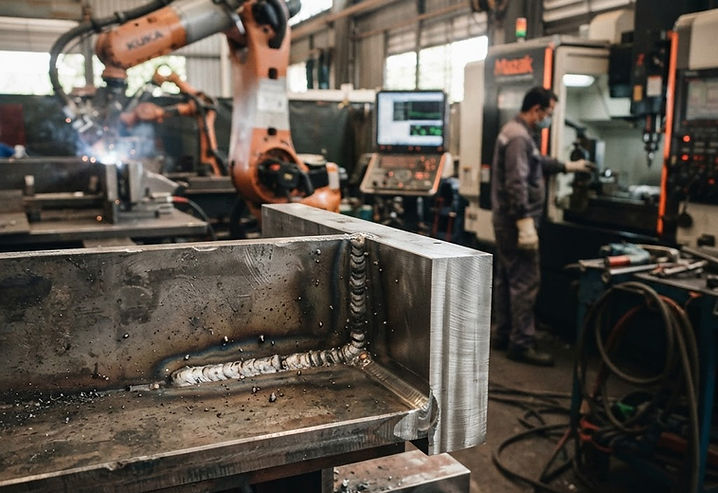
The cooling stage of injection molding comprises most of the cycle time, making it essential to find effective ways to complete it efficiently. Additionally, if parts do not cool down enough or cooling happens unevenly, they can shrink or warp, requiring time consuming rework processes. Fortunately, numerous ways exist to accelerate cooling time while ensuring it happens effectively.
Design Molds for Effective Cooling
Traditional designs feature straight line cooling channels machined directly into molds. However, a more advanced and better option is to design molds with conformal cooling channels. These possibilities follow the precise curves of pieces as they cool after usage of heat induction bending services, ensuring the process happens effectively, even in hard to reach areas. People should also follow best practices for creating molds that will cool parts as quickly as possible. For example, building several smaller cooling channels into the mold rather than one large one will provide more consistent results. Additionally, when mold designers do incorporate larger channels, they should be of a single diameter throughout the mold.
Create a Digital Twin
Many injection molding professionals eventually realize numerous factors, from the mold material to the location of its channels, affect the overall cooling time. How can they determine which combined elements lead to the best results? A digital twin is an excellent way to answer those all important questions. It allows people to use a tool to test various options in a controlled environment before using them in real life. In one example, researchers built a digital twin to reflect the process knowledge a person acquires while operating mining plant and equipment Australia. For example, it could recommend that someone check the cooling mechanisms for potential blockages after determining they are not performing as well as they should. A digital twin is also helpful for indicating the best places for bafflers or bubblers within the mold to optimize cooling. People can test different options to see their pros and cons before working with the physical versions and spending anything to produce them. Then, they save money and materials and increase the chances of getting the best outcomes.
Consider Hybrid Production Approaches
Manufacturers often choose injection molding because it supports producing high volumes at affordable prices. Whether manufacturers need to make large car parts or small bottle caps, this method can handle those requirements and many others. However, despite its popularity, users still look for strategic ways to improve it. For instance, experiments indicate 3D printing can produce micromolds much faster than traditional methods. It can also make molds with conformal cooling channels, aligning with parts that have unusual or complex geometries. One company’s option combines injection molding, fused deposition modelling and CNC machining into a single approach. It allowed significant time savings for the clients using it. One customer needed a faster way to produce cavity and core inserts to mold a 35% glass filled part since the conventional method had a six week lead time. The hybrid option using SLA and SLS in rapid prototyping required only two weeks and reduced hands on toolmaking by up to 90%. When producers try various manufacturing methods and investigate suitable ways to combine them, it is easier to determine which methods will simultaneously cool the molded pieces to shorten cycle times while simultaneously boosting quality.
Exploring New Options
Giving injection molded components enough time to cool is an important step in quality control. However, as these suggestions show, there are many effective and creative ways to reduce the cooling stage, making the overall cycle time shorter. Professionals should collect data to verify which methods they try work the best, and then consider changing internal processes to focus on using those high performing techniques more often.
K999 Thailand carries out work of this kind through its steel fabrication capability team in Rayong.
Further reading
Follow Critical Minerals across the wider market on Project Atlas Intel.
Calculation tool
Run the numbers for this yourself with the free AS/NZS steel grades from Engineering Toolbox Australia. Treat the result as a first check, then confirm the final design with your engineer.
How K999 can help
How we apply the technology
Faster quoting, cleaner detailing and fewer site surprises come from the tools we use before the first cut, and the articles here explain how those tools change the work.
3D modelling and detailing- 01
3D modelling and shop detailing that resolves clashes before fabrication starts.
- 02
Fibre laser cutting for plate profiles, with nesting planned around the rolling schedule.
- 03
Project management that reports progress against the same model the client approved.
More on Manufacturing & Technology
All articles

Request for quotation
Need fabricated steel to that standard?
Every enquiry is answered within 48 hours by our estimating team in Rayong. The priced quotation follows once drawings, quantities and standards are confirmed. Stainless steel fabrication, structural steel fabrication, pipe spooling, pressure vessels, steel tanks, mining equipment and conveyors, pig launchers, chutes and hoppers, send the package and we will price it.
Before you request a quotation
Steel fabrication quotation questions
What structural steel fabrication, pressure vessel and pipe spooling packages cost, what to send with an enquiry, and how delivery to site works.
Structural steel fabrication is priced from the section and plate tonnage, the detailing and drawing hours, welding and fitting manhours, NDT requirements, blast and coating system, packing and freight. Grade matters as much as weight: AS/NZS, ASTM, JIS and BS sections carry different mill prices, and heavy built up members take longer than rolled sections. Our Rayong workshop produces around 10,000 tonnes of structural steel fabrication a year, so a clear bill of materials is usually enough to price. Send the drawings and we answer within 48 hours; the priced quotation follows once quantities, standards and delivery dates are confirmed.
For steel fabrication work, send the drawings or IFC package, a bill of materials with material grades, the welding and NDT requirements, the coating specification, the delivery port and your site dates. Add the inspection and test plan, any third party inspection requirement, and whether trial assembly or match marking is needed. Where drawings are still in progress, a scope list with sizes, quantities and duty is enough to start, and the estimate is refined once the final package arrives. Every enquiry is answered within 48 hours, and the priced quotation is issued after scope, standards and quantities are confirmed.
Yes. Pressure vessel fabrication is carried out to ASME Section VIII Div. 1 under our ASME U stamp No. 43,462, or to AS/NZS and BS where the project specifies, covering separators, air receivers, water drums, waste heat recovery units and pig launchers. Steel tanks for fuel, biofuel, chemical, water and food duty are designed in house with our E Tank programme to API, ASME, BS and AS/NZS. Because structural steel, vessels, tanks and their supports are built in the same workshops, one enquiry can cover the vessel package, the tank package and the structural steel that carries them, with a single coating and documentation system and one shipment.
Steel fabrication Australia packages are scheduled from a 33,000 m2 Rayong yard with an 80,000 m2 assembly yard inside Sattahip port, so fabrication, trial assembly, blasting, coating and packing run in one place. Programme length depends on tonnage, material lead times, the coating system and inspection scope, and it is confirmed with the quotation. We quote FOB Laem Chabang, Map Ta Phut or Sattahip, or CIF and DAP to your Australian port, with packing lists, weights, lifting points and a data book per shipment. Staged deliveries can follow your site erection sequence instead of shipping everything at once.
There is no fixed minimum. Pipe spooling Australia packages run at up to 3,000 diameter inches per shift on SCH.40, from a single replacement spool to a full plant piping scope, with spools numbered, X rayed where specified and coated to match erection order. Mining equipment fabrication covers chutes, hoppers, ore bins, transfer towers and conveyor structures with Bisalloy, Hardox, rubber lining or hardfacing fitted in house, from one wear liner set to modules of up to 2,500 tonnes assembled at Sattahip. Send the scope list and we will tell you what the smallest sensible batch is for your programme.