


Fabrication
Considerations of Exotic Metal Fabrication
Titanium, duplex and nickel alloys need dedicated tooling, clean areas and qualified procedures to protect corrosion resistance.
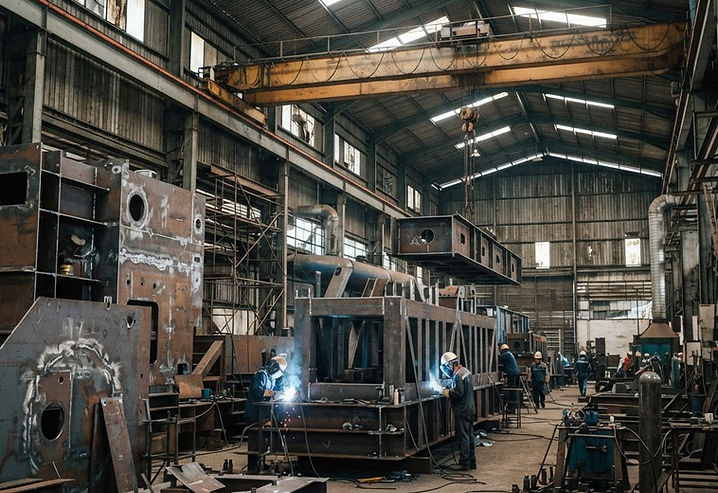
While raw materials such as iron and steel are usually subject to fabrication processes, exotic metals can also be fabricated depending on the product. Some of the commonly used exotic metals in fabrication are Titanium, Waspaloy and Inconel which have varied applications in industry. These materials can be challenging from a fabrication standpoint because they require different considerations around their intrinsic properties, features and applicable processes during the design phase. Thus, it is important to learn about the availability of raw materials and finished components made from these materials. This blog will look to highlight some primary considerations when using exotic metals in manufacturing.
Features of Exotic Metals
Non Standard Tooling: Exotic metals such as steels, titanium, or Inconel have different features which impacts the type of tooling needed to machine these materials. For example, tools may need to be larger than standard materials. They also generally need a higher spindle speed, higher horsepower, and more horsepower per tooth than steel, which is particularly true when machining hard materials.
Different Thermal Properties: Most exotic metals have very different thermal properties compared to common steels impacting the type of equipment used to machine, grind or form these materials. Exotic metals also have different thermal expansion properties than common steels; therefore, a standard machine tool may not work well for these. Some materials can have thermal gradients 50 to 100 times greater than steel.

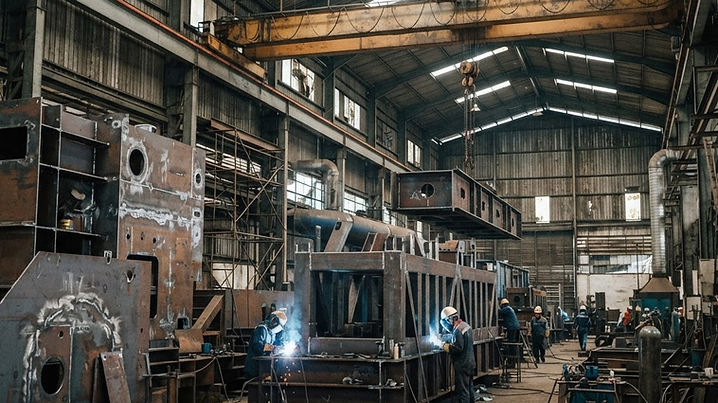
Brittleness of Materials: Most exotic metals are very brittle and fracture easily. Exotic metals also chip and shatter, making it difficult to machine intricate shapes using hand tools, which is challenging when forming these materials by pressing. They may also experience thermal cracking, particularly in thin sections, where it is more prevalent when the material is in its hardened condition.
Distinct Features of Inconel and Waspaloy
Inconel: Inconel is very difficult to fabricate because of the tendency to “critical” or crack during fabrication, meaning it develops a crack without a specific load being applied. It is important to follow recommended fabrication practices, such as using shear to break off fixtures, tool temperature limits, and slow speeds. Inconel also tends to work harden, meaning the hardness increases as the material deforms, causing the part to fracture if formed too thin or if they leave the edges too sharp.
Waspaloy: Waspaloy is an age hardening austenitic nickel based superalloy typically used in higher temperature applications, such as gas turbines. The alloy is much harder to weld than common steel, such as carbon steel, Inconel, or stainless steel, because it has a very low carbon content, making it more difficult to achieve sufficient penetration. Waspaloy also has a very low thermal conductivity, making the heat affected zone more severe. When welding Waspaloy, it is important to use a low hydrogen content filler metal, such as ER70S 6.
Since exotic metals are usually very brittle, tools must be extremely sharp to prevent deflection and breakage. It may also be necessary to employ ultrahigh speed spindle speeds to avoid material sticking and excessive tool wear. Exotic metals are often difficult to chip, so it may be necessary to use a break off or shut off technique, particularly when using mining plant and equipment.
Final Thoughts
While exotic metals have individual characteristics which make it suitable for certain types of steel fabrication jobs, they are less versatile than commonly used fabrication raw materials. Thus, there are a limited number of suppliers of these exotic materials and the demand is correspondingly less as well. Thus, while the “exotic” nature of these metals provides a new perspective to metal fabrication, the bread and butter of fabrication jobs is still the reliable iron and steel!
Further reading
Follow offshore wind projects in Europe across the wider market on Project Atlas Intel.
How K999 can help
Fabrication capacity behind the article
Articles in this section describe work we run every week in Rayong: cutting, forming, welding and assembly, under cover and in the yard, with the documentation that goes with it.
Structural steel fabrication- 01
Two workshops totalling more than 33,000 m² plus an 80,000 m² assembly yard at Sattahip.
- 02
Structural steel fabrication to 10,000 tonnes a year, with the largest single module built at 2,500 tonnes.
- 03
Blast, prime and paint before dispatch, with dimensional reports issued against the approved drawings.
More on Fabrication
All articles


Request for quotation
Need fabricated steel to that standard?
Every enquiry is answered within 48 hours by our estimating team in Rayong. The priced quotation follows once drawings, quantities and standards are confirmed. Stainless steel fabrication, structural steel fabrication, pipe spooling, pressure vessels, steel tanks, mining equipment and conveyors, pig launchers, chutes and hoppers, send the package and we will price it.
Before you request a quotation
Steel fabrication quotation questions
What structural steel fabrication, pressure vessel and pipe spooling packages cost, what to send with an enquiry, and how delivery to site works.
Structural steel fabrication is priced from the section and plate tonnage, the detailing and drawing hours, welding and fitting manhours, NDT requirements, blast and coating system, packing and freight. Grade matters as much as weight: AS/NZS, ASTM, JIS and BS sections carry different mill prices, and heavy built up members take longer than rolled sections. Our Rayong workshop produces around 10,000 tonnes of structural steel fabrication a year, so a clear bill of materials is usually enough to price. Send the drawings and we answer within 48 hours; the priced quotation follows once quantities, standards and delivery dates are confirmed.
For steel fabrication work, send the drawings or IFC package, a bill of materials with material grades, the welding and NDT requirements, the coating specification, the delivery port and your site dates. Add the inspection and test plan, any third party inspection requirement, and whether trial assembly or match marking is needed. Where drawings are still in progress, a scope list with sizes, quantities and duty is enough to start, and the estimate is refined once the final package arrives. Every enquiry is answered within 48 hours, and the priced quotation is issued after scope, standards and quantities are confirmed.
Yes. Pressure vessel fabrication is carried out to ASME Section VIII Div. 1 under our ASME U stamp No. 43,462, or to AS/NZS and BS where the project specifies, covering separators, air receivers, water drums, waste heat recovery units and pig launchers. Steel tanks for fuel, biofuel, chemical, water and food duty are designed in house with our E Tank programme to API, ASME, BS and AS/NZS. Because structural steel, vessels, tanks and their supports are built in the same workshops, one enquiry can cover the vessel package, the tank package and the structural steel that carries them, with a single coating and documentation system and one shipment.
Steel fabrication Australia packages are scheduled from a 33,000 m2 Rayong yard with an 80,000 m2 assembly yard inside Sattahip port, so fabrication, trial assembly, blasting, coating and packing run in one place. Programme length depends on tonnage, material lead times, the coating system and inspection scope, and it is confirmed with the quotation. We quote FOB Laem Chabang, Map Ta Phut or Sattahip, or CIF and DAP to your Australian port, with packing lists, weights, lifting points and a data book per shipment. Staged deliveries can follow your site erection sequence instead of shipping everything at once.
There is no fixed minimum. Pipe spooling Australia packages run at up to 3,000 diameter inches per shift on SCH.40, from a single replacement spool to a full plant piping scope, with spools numbered, X rayed where specified and coated to match erection order. Mining equipment fabrication covers chutes, hoppers, ore bins, transfer towers and conveyor structures with Bisalloy, Hardox, rubber lining or hardfacing fitted in house, from one wear liner set to modules of up to 2,500 tonnes assembled at Sattahip. Send the scope list and we will tell you what the smallest sensible batch is for your programme.