


Mining & Resources
Delays at the Kwinana Refinery: What to Expect in 2024 and 2025
Alumina refinery curtailment in Western Australia reshaped supply chains and shutdown schedules for fabrication suppliers.
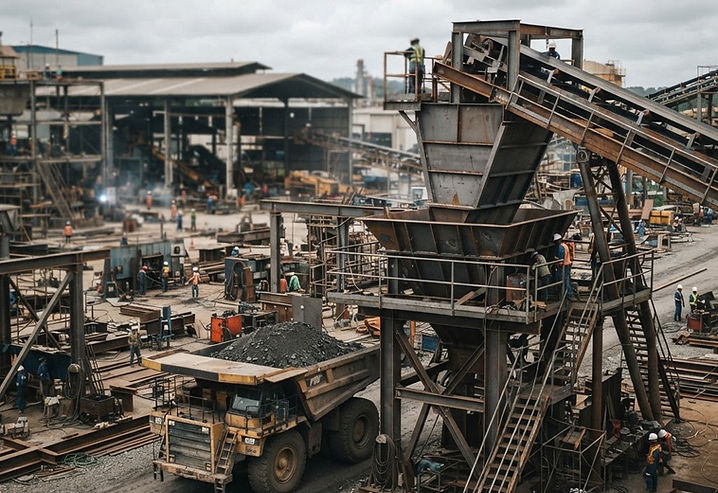
Overview of the Kwinana Refinery
The Kwinana Refinery stands as a crucial pillar in Australia’s energy sector, located strategically in the Kwinana industrial area of Western Australia. Established in 1955, it has evolved over the decades to become one of the largest oil refineries in the country, significantly shaping the nation’s fuel supply dynamics. The facility primarily processes crude oil into various refined products, including petrol, diesel, and jet fuel, catering to both domestic and international markets. It plays a vital role in ensuring energy security for Australia, which is critical for economic growth and stability.
Over the years, the Kwinana Refinery has not only contributed to fuel supply but has also been a significant source of employment and economic activity within the region. Its operations have a ripple effect on the local economy, supporting numerous ancillary businesses, including stainless steel supplies necessary for infrastructure and ongoing maintenance. The refinery’s demand for steel sheet in Perth highlights its reliance on local suppliers to maintain operational efficiency and safety standards through regular upgrades and repairs.
However, the refinery is facing challenges that may lead to delays in production and output starting in 2024 and extending into 2025. This forecasted setback underscores the importance of understanding the refinery’s historical context and its ongoing role within the energy landscape. As maintenance schedules and operational adjustments are made, stakeholders must prepare for the potential impacts on supply chains and market pricing, particularly concerning fuels derived from the refinery. Such delays may also influence the local job market, especially in sectors related to stainless welding near me, where skilled labor is essential for the refinery’s infrastructural needs.
Reasons for Delays in 2024 and 2025
The anticipated delays at the Kwinana Refinery in 2024 and 2025 can be attributed to several interconnected factors that have emerged in recent years. One significant issue is the ongoing supply chain disruptions which have impacted multiple industries. With global logistics facing unprecedented challenges, the procurement of essential materials, including components for stainless steel supplies and other critical inputs, has become increasingly difficult. This situation is exacerbated by fluctuating international shipping costs and limited availability of shipping containers, which can lead to longer lead times for necessary materials.
Moreover, regulatory challenges play a crucial role in the operational timelines of refineries. The Kwinana Refinery is subject to strict environmental and safety regulations. Any changes in regulatory frameworks or compliance requirements can result in additional delays, especially when projects need to undergo thorough evaluations or adjustments to existing processes. These complexities often require extensive coordination between upper management, engineering teams, and external regulatory bodies, which can significantly slow down project execution.
Workforce shortages are also a pressing concern, particularly in the context of the skilled labor market. The refinery industry, including services such as stainless welding near me, relies on specialized professionals whose expertise is critical for maintaining operational efficiency. With an aging workforce and a shortage of trained personnel, finding qualified workers to fill roles has become increasingly challenging, leading to potential project delays. Lastly, routine maintenance issues, particularly in aging infrastructure, can divert resources and attention away from development projects, compounding the challenges faced by the Kwinana Refinery.

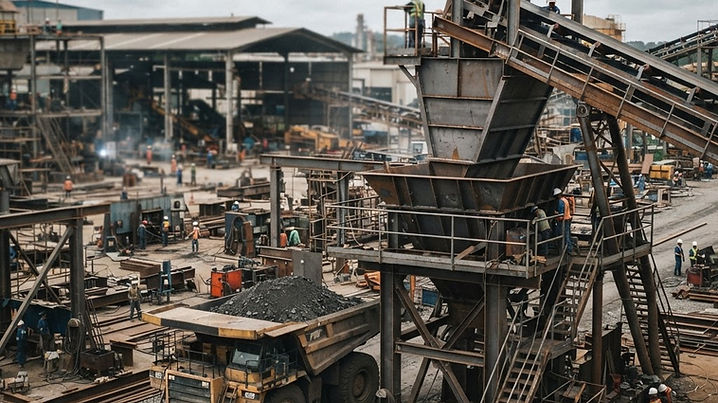
Each of these factors combines to create a complex operational environment. Stakeholders need to remain vigilant and adaptable to navigate these anticipated delays effectively.
Consequences of the Delays
The delays at the Kwinana Refinery are likely to have significant implications for various stakeholders, including consumers, businesses, and the environment. One of the direct outcomes of these delays may be an increase in fuel prices. As the refinery halts or slows down production, the supply of refined fuels is expected to diminish. This reduction in supply could result in higher retail prices for consumers, impacting their overall cost of living. Consequently, businesses that rely heavily on fuel, such as transportation and logistics companies, may face increased operational costs, which could lead to higher prices for goods and services.
In terms of supply chain reliability, the delays are poised to cause disruptions that ripple through various sectors. Businesses relying on a consistent supply of fuel for their operations may experience challenges in maintaining production schedules and meeting customer demands. This uncertainty can lead to a broader economic impact, particularly for small to medium sized enterprises that lack the resources to absorb these shocks.
The labor market is also expected to feel the strain of these delays. The potential slowdown in refinery operations could affect job stability for workers in the surrounding regions. Should the delay extend into a prolonged period, it may lead to layoffs or reduced job opportunities, ultimately influencing local unemployment rates.
Moreover, prolonged operations at the refinery, coupled with potential project overlaps, could raise environmental concerns. The longer operational times might increase emissions and other pollutants, adversely affecting air and water quality in the vicinity. Stakeholders must consider these environmental implications as part of the broader conversation surrounding the delays, ensuring that measures are taken to mitigate any adverse impacts on the community and ecosystem.
Looking Ahead: Future Outlook for the Kwinana Refinery
The Kwinana Refinery, a vital component of Australia’s energy infrastructure, is poised for significant developments in the coming years. In response to recent delays, the operators are implementing various strategies aimed at enhancing operational efficiency and improving the reliability of the facility. Planned upgrades to the refinery’s infrastructure, including the integration of advanced technologies, promise to streamline processes and reduce the frequency of disruptions. These enhancements will not only alleviate current challenges but also position Kwinana as a leading player in the evolution of cleaner energy production.
Moreover, the global shift towards sustainability and the increasing demand for cleaner energy sources will further shape the operational framework of the Kwinana Refinery. The implementation of sustainable practices supports the Australian government ’s efforts to reduce carbon emissions and foster a greener economy. As pressure mounts from industry stakeholders and consumers alike for more sustainable oil production, Kwinana’s strategic importance in this transition cannot be understated. The refinery is expected to play a pivotal role in balancing energy needs while meeting environmental standards.
Additionally, the refinement process may increasingly rely on stainless steel supplies for the construction and modernization of essential components. This shift will likely increase demand for local resources, including cream lubricants and equipment found within the Perth supply chain. The availability of quality materials, including steel sheet and stainless welding near me options, will be crucial in supporting these improvements. As the refinery continues to align its operations with innovative trends and sustainability goals, it is anticipated that it will meet not only local energy requirements but also remain competitive in a rapidly evolving international market.
In conclusion, the Kwinana Refinery is on the precipice of transformative changes that will affect its operational capabilities. With upcoming enhancements and a commitment to sustainability, the refinery is set to continuously adapt to both regional and global energy demands well into the future.
K999 Thailand carries out work of this kind through its mining equipment fabrication team in Rayong.
Further reading
Follow the major European markets across the wider market on Project Atlas Intel.
How K999 can help
Equipment built for the pit
Mining work is where wear life decides the maintenance budget, so the articles in this section feed directly into how we detail chutes, hoppers, conveyors and wear parts.
Mining equipment and conveyors- 01
Mining equipment and conveyor fabrication with replaceable wear liners and hardfaced contact surfaces.
- 02
Chutes, hoppers and transfer structures detailed for access, lifting and shutdown windows.
- 03
Site assembly planning from the Sattahip yard for modules that ship by sea.
More on Mining & Resources
All articles

Request for quotation
Need fabricated steel to that standard?
Every enquiry is answered within 48 hours by our estimating team in Rayong. The priced quotation follows once drawings, quantities and standards are confirmed. Stainless steel fabrication, structural steel fabrication, pipe spooling, pressure vessels, steel tanks, mining equipment and conveyors, pig launchers, chutes and hoppers, send the package and we will price it.
Before you request a quotation
Steel fabrication quotation questions
What structural steel fabrication, pressure vessel and pipe spooling packages cost, what to send with an enquiry, and how delivery to site works.
Structural steel fabrication is priced from the section and plate tonnage, the detailing and drawing hours, welding and fitting manhours, NDT requirements, blast and coating system, packing and freight. Grade matters as much as weight: AS/NZS, ASTM, JIS and BS sections carry different mill prices, and heavy built up members take longer than rolled sections. Our Rayong workshop produces around 10,000 tonnes of structural steel fabrication a year, so a clear bill of materials is usually enough to price. Send the drawings and we answer within 48 hours; the priced quotation follows once quantities, standards and delivery dates are confirmed.
For steel fabrication work, send the drawings or IFC package, a bill of materials with material grades, the welding and NDT requirements, the coating specification, the delivery port and your site dates. Add the inspection and test plan, any third party inspection requirement, and whether trial assembly or match marking is needed. Where drawings are still in progress, a scope list with sizes, quantities and duty is enough to start, and the estimate is refined once the final package arrives. Every enquiry is answered within 48 hours, and the priced quotation is issued after scope, standards and quantities are confirmed.
Yes. Pressure vessel fabrication is carried out to ASME Section VIII Div. 1 under our ASME U stamp No. 43,462, or to AS/NZS and BS where the project specifies, covering separators, air receivers, water drums, waste heat recovery units and pig launchers. Steel tanks for fuel, biofuel, chemical, water and food duty are designed in house with our E Tank programme to API, ASME, BS and AS/NZS. Because structural steel, vessels, tanks and their supports are built in the same workshops, one enquiry can cover the vessel package, the tank package and the structural steel that carries them, with a single coating and documentation system and one shipment.
Steel fabrication Australia packages are scheduled from a 33,000 m2 Rayong yard with an 80,000 m2 assembly yard inside Sattahip port, so fabrication, trial assembly, blasting, coating and packing run in one place. Programme length depends on tonnage, material lead times, the coating system and inspection scope, and it is confirmed with the quotation. We quote FOB Laem Chabang, Map Ta Phut or Sattahip, or CIF and DAP to your Australian port, with packing lists, weights, lifting points and a data book per shipment. Staged deliveries can follow your site erection sequence instead of shipping everything at once.
There is no fixed minimum. Pipe spooling Australia packages run at up to 3,000 diameter inches per shift on SCH.40, from a single replacement spool to a full plant piping scope, with spools numbered, X rayed where specified and coated to match erection order. Mining equipment fabrication covers chutes, hoppers, ore bins, transfer towers and conveyor structures with Bisalloy, Hardox, rubber lining or hardfacing fitted in house, from one wear liner set to modules of up to 2,500 tonnes assembled at Sattahip. Send the scope list and we will tell you what the smallest sensible batch is for your programme.