


Welding & Testing
Laser Welding and Its Compliance with Australian Welding Codes
Where laser welding fits inside AS/NZS qualified fabrication, and the procedure, welder and inspection evidence Australian projects expect before a weld is accepted.
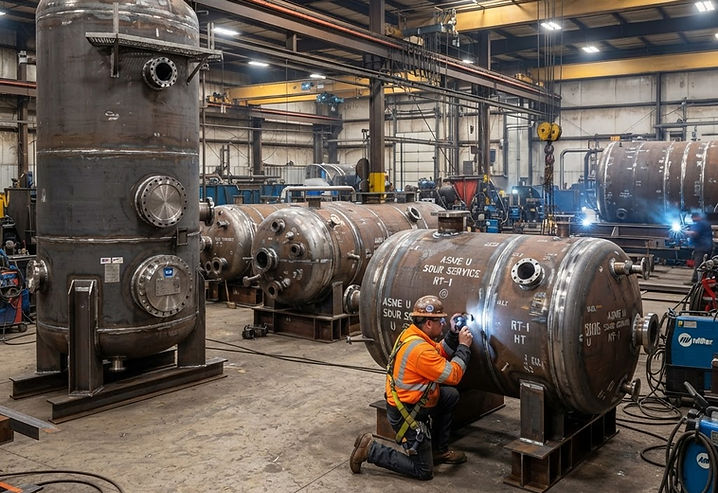
Introduction to Laser Welding
Laser welding is an advanced welding technique that utilizes the focused energy of a laser beam to join materials, typically metals. This method has gained significant traction across various industries due to its unique ability to produce high quality welds with remarkable precision. As manufacturers and fabricators continuously seek more efficient ways to improve production processes, laser welding stands out for its advantages over traditional welding methods such as MIG or TIG welding.
One of the most notable advantages of laser welding is its speed. The concentrated energy from the laser allows for rapid melting and solidifying of materials. Consequently, manufacturers benefit from shorter cycle times, which can lead to enhanced productivity. Additionally, the focused nature of the laser minimizes heat affected zones, resulting in less distortion of the surrounding materials. This attribute is especially beneficial for industries where maintaining the integrity of components is crucial, such as in aerospace or automotive manufacturing.
Another key aspect of laser welding is the exceptional precision that it offers. The ability to control the beam size and the energy input means that even the most delicate components can be welded without compromising their structural integrity. The quality of welds produced through this technique is often superior to those achieved via traditional methods. Laser welding can accommodate a variety of materials and thicknesses, making it a versatile solution for different manufacturing needs.
With growing advancements in laser technology, the method is also becoming increasingly accessible to more industries. This shift towards incorporating laser welding aligns with the requirements set forth in the Australian welding codes, ensuring that manufacturers adhere to national safety and quality standards. Understanding laser welding’s benefits is essential for stakeholders in any sector aiming to improve their welding processes and stay compliant with these codes.
Overview of Australian Welding Codes
The Australian welding codes play a crucial role in maintaining high standards for welding practices across various industries in Australia. These codes establish guidelines that ensure the safety, quality, and compliance of welded structures and components. Among the critical standards, AS/NZS 1554 stands out, as it specifically pertains to the welding of structural steel elements. Compliance with this standard is essential for the integrity of constructions such as buildings, bridges, and other infrastructure projects.
AS/NZS 1554 outlines the requirements for design, welding, inspection, and testing of welded structural steel fabrication. This standard is pivotal for fabricators and construction professionals, ensuring that welds meet rigorous specifications for mechanical performance, durability, and safety. Additionally, the code provides detailed procedures for welder qualification, enhancing the requisite skills and competency of personnel involved in welding operations.
Moreover, Australian Welding Federation (AWF) has established other codes and guidelines focused on various welding techniques, including but not limited to arc welding, gas welding, and laser welding. These codes support industries in implementing best practices, thereby enhancing efficiencies and minimizing risks associated with welding activities. Compliance with these standards not only safeguards worker welfare but also protects public interests by ensuring that all welded constructions are dependable and long lasting.

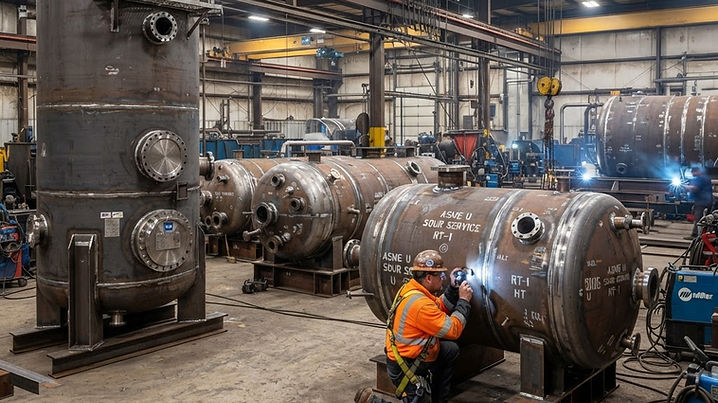
The adherence to Australian welding codes, such as AS/NZS 1554, serves as a benchmark for evaluating welding quality. By fostering a compliance culture within organizations, stakeholders can be assured of the structural integrity and safety of welded components. In light of advanced welding methods, including laser welding, professionals must continually reference these codes to ensure that modern techniques align with established safety and quality standards, thereby maintaining industry credibility and trust.
Compliance of Laser Welding with Australian Standards
Laser welding has emerged as a cutting edge technique within the welding industry, yet its adoption must align with established Australian welding codes and standards. These codes serve as the foundational framework for various welding processes, including specifications for materials, quality control measures, and testing requirements tailored to ensure safety and performance. The Australian Standard AS 1554 provides specific guidelines that apply to welding of structural steels, which also influence the practices adopted in laser welding.
When considering material specifications, laser welding techniques must ensure that the selected materials comply with the relevant Australian welding codes. For instance, materials must be capable of producing strong welds without compromising integrity or performance. This necessitates rigorous assessments to meet Australian Standards, particularly when welding dissimilar metals or high strength materials. The melting characteristics of materials can differ significantly, thus necessitating a comprehensive understanding of these variables within the context of the welding codes.
Quality control is another critical aspect associated with compliance. Laser welding operators must implement stringent quality control measures, as mandated by the Australian welding codes, to guarantee the integrity of welded joints. This includes on site inspections, as well as testing protocols such as nondestructive testing (NDT) to verify weld quality. Operators must remain vigilant, ensuring all procedures align with the applicable requirements and best practices to avoid potential failures.
However, challenges exist within this compliance landscape. With the rapid advancement of laser welding technologies, keeping abreast of evolving standards can be complex. Additionally, specific training for operators regarding these technologies and their alignment with Australian welding codes remains vital to ensure compliance. Addressing these factors guarantees that laser welding can be utilized effectively while meeting all standards laid out in Australian regulations.
Future of Laser Welding in Australia
The future of laser welding in Australia is poised for significant evolution, driven by advancements in technology and the increasing demand for precise and efficient manufacturing processes. As industries across sectors such as automotive, aerospace, and construction continue to embrace new methods, laser welding has emerged as a preferred choice, enhancing productivity and quality while adhering to stringent Australian welding codes.
One of the foremost trends is the integration of automation and robotics into laser welding processes. By employing automated systems, manufacturers can achieve higher consistency and repeatability, aligning with the rigorous standards outlined in Australian welding codes. This shift not only enhances the precision of welds but also facilitates advanced manufacturing techniques, such as additive manufacturing, where laser welding plays a crucial role in layer by layer construction.
Another noteworthy advancement is the development of fiber laser technology, which offers improved energy efficiency and superior capabilities for welding a variety of materials. As industries seek to reduce their environmental impact while meeting compliance with Australian welding codes, the adoption of fiber lasers presents a sustainable alternative. This technology enhances weld quality and significantly reduces process times, driving further acceptance and integration into mainstream manufacturing practices.
Moreover, research and development efforts are focusing on improving the capabilities of laser welding for complex geometries and dissimilar materials. These innovations may lead to amendments in existing welding codes and standards, ensuring that they accommodate the latest advancements in welding technologies. As the demand for innovative welding solutions grows, it is essential for regulatory bodies to adapt the Australian welding codes to reflect the evolving landscape of welding processes.
In summary, the future of laser welding in Australia appears promising, characterized by technological advancements and a keen emphasis on compliance with welding standards. As industries continue to explore the potential of laser welding, the implications for Australian welding codes will be significant, paving the way for a more innovative approach to welding practices in the coming years.
K999 Thailand carries out work of this kind through its pipe spool fabrication team in Rayong.
Further reading
Follow EPC contractors in the United States across the wider market on Project Atlas Intel.
How K999 can help
Welding and inspection practice
The welding procedures, welder qualifications and inspection routines described here are the ones applied to every spool, vessel and frame that leaves our workshop.
Inspection and expediting- 01
Qualified procedures for carbon steel, stainless steel and nickel alloys, with welder performance records held per joint type.
- 02
Dimensional and weld inspection in house, with third party witness arranged for client hold points.
- 03
Inspection and expediting support that follows the job from raw material receipt through to load out.
More on Welding & Testing
All articles


Request for quotation
Need fabricated steel to that standard?
Every enquiry is answered within 48 hours by our estimating team in Rayong. The priced quotation follows once drawings, quantities and standards are confirmed. Stainless steel fabrication, structural steel fabrication, pipe spooling, pressure vessels, steel tanks, mining equipment and conveyors, pig launchers, chutes and hoppers, send the package and we will price it.
Before you request a quotation
Steel fabrication quotation questions
What structural steel fabrication, pressure vessel and pipe spooling packages cost, what to send with an enquiry, and how delivery to site works.
Structural steel fabrication is priced from the section and plate tonnage, the detailing and drawing hours, welding and fitting manhours, NDT requirements, blast and coating system, packing and freight. Grade matters as much as weight: AS/NZS, ASTM, JIS and BS sections carry different mill prices, and heavy built up members take longer than rolled sections. Our Rayong workshop produces around 10,000 tonnes of structural steel fabrication a year, so a clear bill of materials is usually enough to price. Send the drawings and we answer within 48 hours; the priced quotation follows once quantities, standards and delivery dates are confirmed.
For steel fabrication work, send the drawings or IFC package, a bill of materials with material grades, the welding and NDT requirements, the coating specification, the delivery port and your site dates. Add the inspection and test plan, any third party inspection requirement, and whether trial assembly or match marking is needed. Where drawings are still in progress, a scope list with sizes, quantities and duty is enough to start, and the estimate is refined once the final package arrives. Every enquiry is answered within 48 hours, and the priced quotation is issued after scope, standards and quantities are confirmed.
Yes. Pressure vessel fabrication is carried out to ASME Section VIII Div. 1 under our ASME U stamp No. 43,462, or to AS/NZS and BS where the project specifies, covering separators, air receivers, water drums, waste heat recovery units and pig launchers. Steel tanks for fuel, biofuel, chemical, water and food duty are designed in house with our E Tank programme to API, ASME, BS and AS/NZS. Because structural steel, vessels, tanks and their supports are built in the same workshops, one enquiry can cover the vessel package, the tank package and the structural steel that carries them, with a single coating and documentation system and one shipment.
Steel fabrication Australia packages are scheduled from a 33,000 m2 Rayong yard with an 80,000 m2 assembly yard inside Sattahip port, so fabrication, trial assembly, blasting, coating and packing run in one place. Programme length depends on tonnage, material lead times, the coating system and inspection scope, and it is confirmed with the quotation. We quote FOB Laem Chabang, Map Ta Phut or Sattahip, or CIF and DAP to your Australian port, with packing lists, weights, lifting points and a data book per shipment. Staged deliveries can follow your site erection sequence instead of shipping everything at once.
There is no fixed minimum. Pipe spooling Australia packages run at up to 3,000 diameter inches per shift on SCH.40, from a single replacement spool to a full plant piping scope, with spools numbered, X rayed where specified and coated to match erection order. Mining equipment fabrication covers chutes, hoppers, ore bins, transfer towers and conveyor structures with Bisalloy, Hardox, rubber lining or hardfacing fitted in house, from one wear liner set to modules of up to 2,500 tonnes assembled at Sattahip. Send the scope list and we will tell you what the smallest sensible batch is for your programme.