


Manufacturing & Technology
Optimizing Performance With Asset Resilience
Designing plant assets for repairability and spares availability keeps production running through long campaigns.
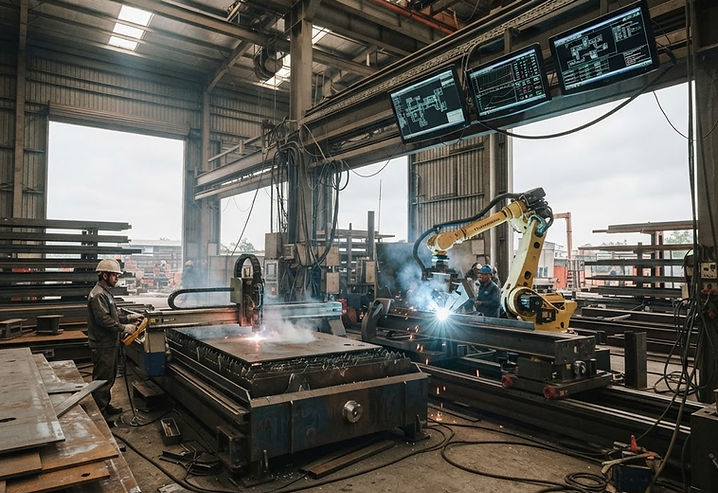
To state the obvious, the digital world has arrived. 48% of organizations are now digital, having moved from the act of digitally transforming organizations to operating a digital business. This translates to running a business at scale and transferring much of the people resource to technology. Upcoming innovations like Internet of Things (IoT) sensors, computer vision/remote visual inspection, and even AI/Industrial voice interfaces, when integrated or embedded in modern cloud based enterprise asset management (EAM) technologies, can help an organization scale and address all segments of the asset life cycle. This blog will look to deep dive deeper into this interesting topic.
Real Time Sensing
In the digital world, asset resilience requires a focus on real time oversight and data with, responsive maintenance and workflows that identify and resolve anomalies before the business is impacted. This is underscored with modern cloud based innovative EAM technologies that can help manage your assets, including asset inventory, helping to set acceptable levels of service, and reducing manufacturing cycle times. With this level of monitoring, maintenance, and asset portfolio overview, the organization can achieve its planned productivity gains and operational efficiencies with greater visibility and control. Some organizations use EAM systems to track production supplies and purchases, while others use it to balance operational requirements against maintenance needs, finding the right time to perform regularly scheduled maintenance activities against production schedules, which increases peak performance runtime and asset availability. These examples automate more workflows, increase operating efficiencies for processes like heat induction bending services, curtail human errors, and reduce unplanned downtime and outages.
In addition, EAM technologies support sustainability objectives because assets and data are connected across the enterprise, enabling greater monitoring of sustainability goals and compliance to asset monitoring as part of business process integration. In addition, when an asset has reached its end of life stage in the business, the organization can start to plan for newer equipment while selling the old asset with intact records and suggested monitoring and maintenance for the new buyer. The asset life cycle can then come full circle.
Economic Value of Asset Resilience
In today’s economic environment, managing and controlling spend is critical to profitability. Spending money on nonessential maintenance, buying new assets because they have begun their useful life, and even procuring extra maintenance inventory “just in case” existing mining plant and equipment goes bad, all that eats away profitability. In the digital world, organizations should leverage EAM technology to the fullest so they can maximize their asset investment portfolios, account for the assets overall, bring insights into asset performance while monitoring for and scheduling preventive maintenance, and ensure the organization stays productive while optimizing asset utilization at peak performance.

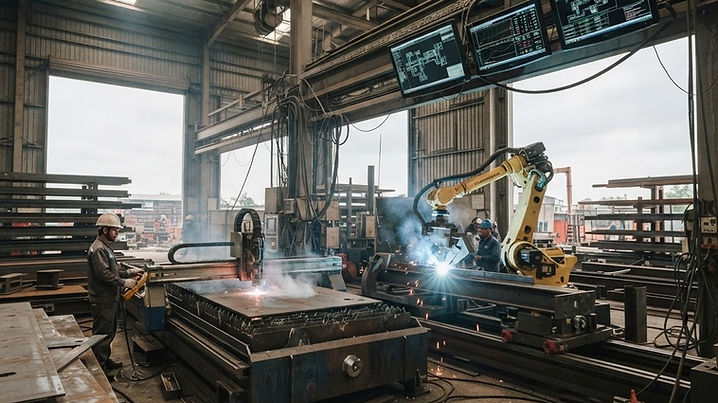
EAM technologies deliver the following measurable benefits:
Savings in maintenance costs and time with the tracking of assets
Operational efficiencies resulting in longer runtimes
Improved uptime of equipment with monitoring and maintenance
Improved customer experience
These economic value adds also reduce the angst within the business over asset performance and improve asset resiliency while providing greater transparency so course corrections happen immediately. Organizations can monitor and maintain asset performance regardless of economic conditions.
Finishing Touches
Today, technology plays a more significant role, as organizations seek to leverage as many advantages as possible. Previously, employees were more involved in the operation and maintenance of enterprise assets. But with digital transformation, technology has taken on much of this work, with 24/7 oversight, alerts, and automated workflows. It is now clear that Innovative cloud EAM technology is a win win that organizations need to invest in to thrive in the digital world. Digital is no longer a vague buzzword, it is here and now, and organizations need to adapt to thrive!
K999 Thailand carries out work of this kind through its steel fabrication capability team in Rayong.
Further reading
Follow procurement opportunities across the wider market on Project Atlas Intel.
How K999 can help
How we apply the technology
Faster quoting, cleaner detailing and fewer site surprises come from the tools we use before the first cut, and the articles here explain how those tools change the work.
3D modelling and detailing- 01
3D modelling and shop detailing that resolves clashes before fabrication starts.
- 02
Fibre laser cutting for plate profiles, with nesting planned around the rolling schedule.
- 03
Project management that reports progress against the same model the client approved.
More on Manufacturing & Technology
All articles

Request for quotation
Need fabricated steel to that standard?
Every enquiry is answered within 48 hours by our estimating team in Rayong. The priced quotation follows once drawings, quantities and standards are confirmed. Stainless steel fabrication, structural steel fabrication, pipe spooling, pressure vessels, steel tanks, mining equipment and conveyors, pig launchers, chutes and hoppers, send the package and we will price it.
Before you request a quotation
Steel fabrication quotation questions
What structural steel fabrication, pressure vessel and pipe spooling packages cost, what to send with an enquiry, and how delivery to site works.
Structural steel fabrication is priced from the section and plate tonnage, the detailing and drawing hours, welding and fitting manhours, NDT requirements, blast and coating system, packing and freight. Grade matters as much as weight: AS/NZS, ASTM, JIS and BS sections carry different mill prices, and heavy built up members take longer than rolled sections. Our Rayong workshop produces around 10,000 tonnes of structural steel fabrication a year, so a clear bill of materials is usually enough to price. Send the drawings and we answer within 48 hours; the priced quotation follows once quantities, standards and delivery dates are confirmed.
For steel fabrication work, send the drawings or IFC package, a bill of materials with material grades, the welding and NDT requirements, the coating specification, the delivery port and your site dates. Add the inspection and test plan, any third party inspection requirement, and whether trial assembly or match marking is needed. Where drawings are still in progress, a scope list with sizes, quantities and duty is enough to start, and the estimate is refined once the final package arrives. Every enquiry is answered within 48 hours, and the priced quotation is issued after scope, standards and quantities are confirmed.
Yes. Pressure vessel fabrication is carried out to ASME Section VIII Div. 1 under our ASME U stamp No. 43,462, or to AS/NZS and BS where the project specifies, covering separators, air receivers, water drums, waste heat recovery units and pig launchers. Steel tanks for fuel, biofuel, chemical, water and food duty are designed in house with our E Tank programme to API, ASME, BS and AS/NZS. Because structural steel, vessels, tanks and their supports are built in the same workshops, one enquiry can cover the vessel package, the tank package and the structural steel that carries them, with a single coating and documentation system and one shipment.
Steel fabrication Australia packages are scheduled from a 33,000 m2 Rayong yard with an 80,000 m2 assembly yard inside Sattahip port, so fabrication, trial assembly, blasting, coating and packing run in one place. Programme length depends on tonnage, material lead times, the coating system and inspection scope, and it is confirmed with the quotation. We quote FOB Laem Chabang, Map Ta Phut or Sattahip, or CIF and DAP to your Australian port, with packing lists, weights, lifting points and a data book per shipment. Staged deliveries can follow your site erection sequence instead of shipping everything at once.
There is no fixed minimum. Pipe spooling Australia packages run at up to 3,000 diameter inches per shift on SCH.40, from a single replacement spool to a full plant piping scope, with spools numbered, X rayed where specified and coated to match erection order. Mining equipment fabrication covers chutes, hoppers, ore bins, transfer towers and conveyor structures with Bisalloy, Hardox, rubber lining or hardfacing fitted in house, from one wear liner set to modules of up to 2,500 tonnes assembled at Sattahip. Send the scope list and we will tell you what the smallest sensible batch is for your programme.