


Materials & Coatings
Understanding Stainless Steel's Resistance to Corrosion
The passive chromium oxide layer protects stainless, and how alloy grade, surface finish and chloride exposure decide its life.
Introduction to Stainless Steel
Stainless steel is a versatile alloy that is widely recognized for its exceptional resistance to corrosion and staining. Its primary component is iron, but the addition of other elements, most notably chromium, plays a crucial role in enhancing its overall properties. Typically, stainless steel contains a minimum of 10.5% chromium, which forms a protective oxide layer on the surface. This layer serves as a barrier, preventing the iron beneath from rusting when exposed to moisture and air, thereby significantly mitigating the risk of stainless steel corrosion.
There are several grades of stainless steel, each selected for specific applications based on their unique properties. The most commonly used grades include 304 and 316. Grade 304 is known for its excellent weldability and versatility, making it a popular choice among manufacturers. On the other hand, Grade 316 incorporates molybdenum, which further enhances its resistance to pitting in chloride environments, making it ideal for marine and chemical processing applications. The chemical composition and precise alloying of these grades contribute to their remarkable strength and durability compared to other metals.
In addition to corrosion resistance, stainless steel exhibits other favorable characteristics such as high tensile strength, low maintenance requirements, and temperature resilience. These attributes make it an engineering material of choice across diverse industries, including construction, automotive, and food processing. The ability to maintain structural integrity and aesthetic appeal over time underscores why stainless steel is favored in situations where performance and longevity are paramount. By exploring the nuances of its composition and properties, one can appreciate the longstanding reputation of stainless steel as a reliable solution for combating corrosion across various applications.
Mechanisms of Corrosion Resistance
Stainless steel is renowned for its exceptional resistance to corrosion, a characteristic primarily attributed to its unique composition and the formation of a protective passive oxide layer. This layer is primarily comprised of chromium oxide, which forms naturally when stainless steel is exposed to oxygen in the environment. This layer is incredibly thin, yet remarkably effective in preventing further oxidation and corrosion of the underlying metal. If this oxide layer is damaged, it has the ability to self repair in the presence of oxygen, thereby providing continual protection against corrosion.
Alloying elements play a crucial role in enhancing the corrosion resistance of stainless steel. Chromium is the most significant alloying element, typically found in concentrations of at least 10.5%. Other elements, such as nickel, molybdenum, and titanium, can also contribute to its corrosion resistant properties. For instance, nickel stabilizes the structure of stainless steel at high temperatures and enhances its overall mechanical properties, while molybdenum improves resistance against pitting corrosion, particularly in chloride environments.
The environment in which stainless steel is used significantly influences its corrosion resistance. Factors such as moisture, pH levels, and temperature are critical in determining how susceptible the material is to corrosion. A low pH environment, rich in acidity, can increase the risk of corrosion as it compromises the passive layer. In contrast, a neutral to alkaline environment typically enhances corrosion resistance. Additionally, environmental conditions like exposure to saltwater or industrial pollutants can lead to specific types of corrosion, such as crevice corrosion or galvanic corrosion.

Overall, the combination of a robust passive oxide layer, strategic alloying elements, and understanding environmental influences work synergistically to enhance stainless steel’s resistance to corrosion. This intricate relationship underpins the material’s enduring popularity in a wide range of applications, from kitchen appliances to construction materials.
Common Applications of Corrosion Resistant Stainless Steel
Stainless steel’s innate ability to resist corrosion makes it an invaluable material across numerous industries. Its applications can be seen in sectors such as construction, automotive, food processing, and marine environments, where durability and longevity are paramount. In the construction industry, stainless steel is often utilized for architectural elements, support structures, and fasteners. The material’s resilience against rust and other forms of corrosion enhances the lifespan of buildings, minimizing the need for frequent maintenance or replacements.
In the automotive industry, stainless steel is favored for components such as exhaust systems, fuel tanks, and accessories due to its strength and resistance to chemical exposure. The ability to withstand the corrosive effects of road salt, water, and other environmental factors lends itself to better performing vehicles that require less upkeep over time.
In the realm of food processing, stainless steel is essential for maintaining hygiene and safety standards. It is used in manufacturing equipment, storage tanks, and kitchen fixtures, benefiting from its ease of cleaning and corrosion resistance. The material prevents contamination from rust and supports compliance with health regulations, which is vital in this sector. Furthermore, its nonreactive nature ensures that food quality remains intact, preserving flavor and freshness.
The marine industry greatly relies on stainless steel due to its stellar performance against the harsh, corrosive saltwater environment. Applications include boat fittings, balustrades, and anchors, where traditional metals would succumb to deterioration. Stainless steel’s resistance to corrosion in these conditions not only prolongs equipment life but also reduces the overall maintenance costs associated with marine vessels.
The numerous applications of corrosion resistant stainless steel highlight its versatility and importance across various sectors, providing long lasting solutions and creating significant cost savings over time.
Maintenance and Care for Stainless Steel
Ensuring the longevity and corrosion resistance of stainless steel requires diligent maintenance and appropriate care practices. One of the foremost actions is routine cleaning to remove contaminants that can impair its protective layer. Mild detergents or solutions specifically designed for stainless steel should be utilized, as these will avoid any abrasive damage. Regular cleaning, particularly after exposure to salty environments or harsh chemicals, helps in maintaining the integrity of the metal and enhances its resistance to stainless steel corrosion.
Moreover, it is advisable to avoid exposing stainless steel to corrosive environments when possible. This includes minimizing exposure to chlorine based products or salt, common in coastal areas, which can catalyze the corrosion process. If stainless steel is used in such environments, the development of a maintenance schedule that includes more frequent inspections and cleaning is paramount. By implementing these practices, one can effectively prolong the life of stainless steel components and reduce the likelihood of corrosion related issues.
The surface finish of stainless steel also plays a significant role in its resistance to corrosion. Polished finishes tend to perform better in terms of preventing corrosion than rough or dull surfaces. Additionally, applying protective coatings, when appropriate, can serve as an extra barrier that wards off corrosive elements. Such coatings can be vital in industrial applications where exposure to harsh environments is expected. Ultimately, understanding the relationship between surface treatments and corrosion resistance is essential for any maintenance plan aimed at stainless steel. By committing to these best practices, one can preserve the aesthetic and functional qualities of stainless steel while mitigating corrosion risks effectively.
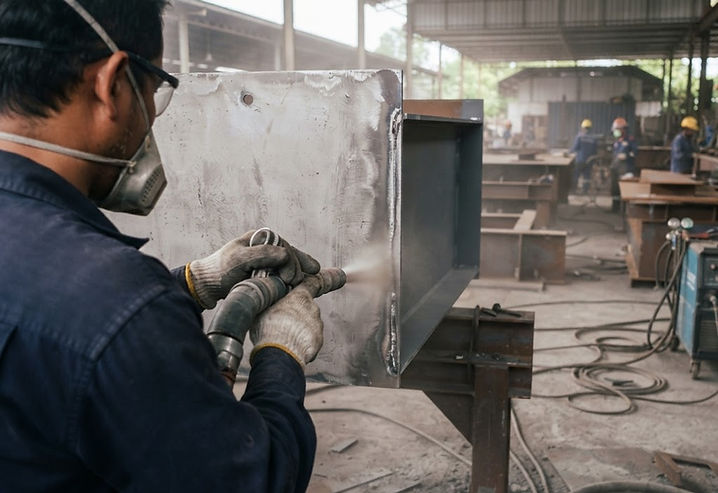
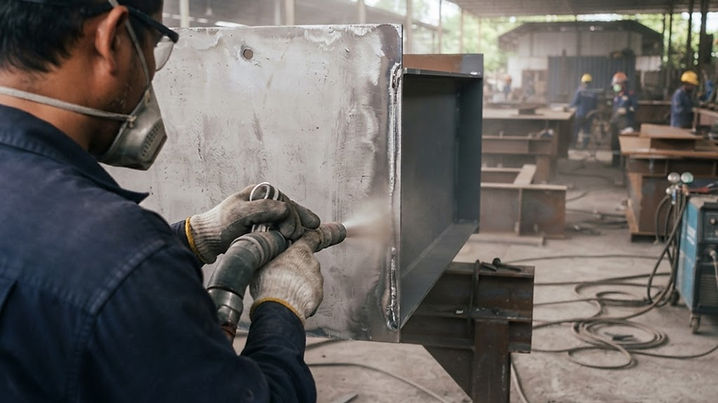
K999 Thailand carries out work of this kind through its abrasive blasting and protective coating team in Rayong.
Further reading
Follow project owner and operator data across the wider market on Project Atlas Intel.
Calculation tool
Run the numbers for this yourself with the free steel section properties from Engineering Toolbox Australia. Treat the result as a first check, then confirm the final design with your engineer.
How K999 can help
Material selection and surface protection
We fabricate in stainless, duplex, carbon steel and nickel alloys, and we finish those materials for the environment they will live in, from coastal yards to process plants.
Stainless steel fabrication- 01
Stainless and duplex fabrication with matched filler metals and controlled interpass temperature.
- 02
Abrasive blasting to the specified surface profile before protective coating application.
- 03
Rubber lining and hardfacing for abrasive slurries, chutes and wear plates.
More on Materials & Coatings
All articles


Request for quotation
Need fabricated steel to that standard?
Every enquiry is answered within 48 hours by our estimating team in Rayong. The priced quotation follows once drawings, quantities and standards are confirmed. Stainless steel fabrication, structural steel fabrication, pipe spooling, pressure vessels, steel tanks, mining equipment and conveyors, pig launchers, chutes and hoppers, send the package and we will price it.
Before you request a quotation
Steel fabrication quotation questions
What structural steel fabrication, pressure vessel and pipe spooling packages cost, what to send with an enquiry, and how delivery to site works.
Structural steel fabrication is priced from the section and plate tonnage, the detailing and drawing hours, welding and fitting manhours, NDT requirements, blast and coating system, packing and freight. Grade matters as much as weight: AS/NZS, ASTM, JIS and BS sections carry different mill prices, and heavy built up members take longer than rolled sections. Our Rayong workshop produces around 10,000 tonnes of structural steel fabrication a year, so a clear bill of materials is usually enough to price. Send the drawings and we answer within 48 hours; the priced quotation follows once quantities, standards and delivery dates are confirmed.
For steel fabrication work, send the drawings or IFC package, a bill of materials with material grades, the welding and NDT requirements, the coating specification, the delivery port and your site dates. Add the inspection and test plan, any third party inspection requirement, and whether trial assembly or match marking is needed. Where drawings are still in progress, a scope list with sizes, quantities and duty is enough to start, and the estimate is refined once the final package arrives. Every enquiry is answered within 48 hours, and the priced quotation is issued after scope, standards and quantities are confirmed.
Yes. Pressure vessel fabrication is carried out to ASME Section VIII Div. 1 under our ASME U stamp No. 43,462, or to AS/NZS and BS where the project specifies, covering separators, air receivers, water drums, waste heat recovery units and pig launchers. Steel tanks for fuel, biofuel, chemical, water and food duty are designed in house with our E Tank programme to API, ASME, BS and AS/NZS. Because structural steel, vessels, tanks and their supports are built in the same workshops, one enquiry can cover the vessel package, the tank package and the structural steel that carries them, with a single coating and documentation system and one shipment.
Steel fabrication Australia packages are scheduled from a 33,000 m2 Rayong yard with an 80,000 m2 assembly yard inside Sattahip port, so fabrication, trial assembly, blasting, coating and packing run in one place. Programme length depends on tonnage, material lead times, the coating system and inspection scope, and it is confirmed with the quotation. We quote FOB Laem Chabang, Map Ta Phut or Sattahip, or CIF and DAP to your Australian port, with packing lists, weights, lifting points and a data book per shipment. Staged deliveries can follow your site erection sequence instead of shipping everything at once.
There is no fixed minimum. Pipe spooling Australia packages run at up to 3,000 diameter inches per shift on SCH.40, from a single replacement spool to a full plant piping scope, with spools numbered, X rayed where specified and coated to match erection order. Mining equipment fabrication covers chutes, hoppers, ore bins, transfer towers and conveyor structures with Bisalloy, Hardox, rubber lining or hardfacing fitted in house, from one wear liner set to modules of up to 2,500 tonnes assembled at Sattahip. Send the scope list and we will tell you what the smallest sensible batch is for your programme.