


Energy & Oil Gas
Advanced techniques to excavate unconventional petroleum resources
Horizontal drilling, multistage fracturing and microseismic mapping unlocked shale and tight oil production.
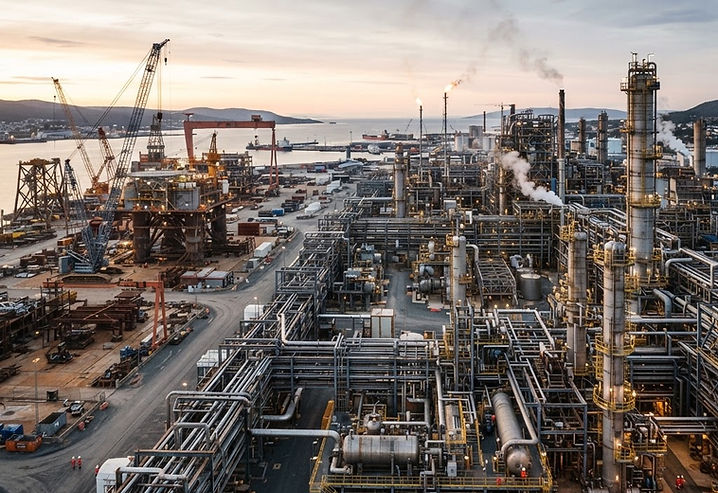
The drilling and excavation of petroleum, oil and gas where such reservoirs are located has been an essential part of energy production over generations. The price of these resources due to resulting supply and demand forces have the potential to impact financial markets on a daily basis, thus energy and utilities is a major influencer on the economy. However, like any other natural resource, conventional sources of oil are declining which has led to increased interest in alternative (or unconventional) oil and gas. But how can this be obtained and is it profitable in the long run? This blog will discuss some advanced methods which can be game changers in the process of unconventional oil exploration and extraction.
Oil recovery in the oil sands uses two main methods: mining or in situ, depending on how deep the oil sands deposits are. Surface mining is used when oil sands deposits lie within 70 meters (200 feet) of the earth’s surface. Twenty per cent of oil sands reserves are close enough to the surface to be mined. Large shovels scoop oil sand into haul trucks that transport it to crushers and pressure vessels where large clumps are broken down. This oil sand is then mixed with hot water and pumped by pipeline to a plant called an upgrader, where the bitumen (oil) is separated from the other components such as sand, clay and water.
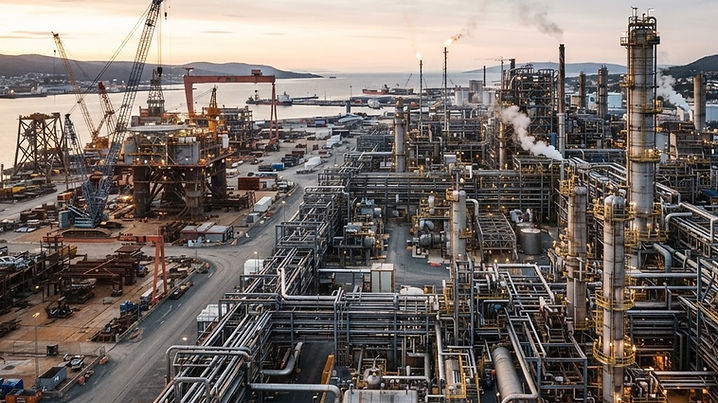
Deeper bitumen must be recovered using in situ technology. “In situ” means “in place,” because bitumen is separated from the sand below ground, right in the deposit itself. This is accomplished by heating the bitumen so it becomes fluid enough that it can be pumped to the surface. There are several ways to heat bitumen below ground. Both of the commonly used methods, SAGD and CSS, use large volumes of water and burn natural gas to create steam that is injected into the oil sands deposit. New research is leading to technologies that reduce or eliminate the need for water and natural gas.
Currently, most in situ operations use steam assisted gravity drainage (SAGD), which uses well pairs (two wells, an injection well and a production well, drilled one above the other) to recover bitumen. The injection well is drilled vertically into the deposit, then turned 90 degrees and drilled horizontally. A second well, known as the production well, is drilled deeper than the first, paralleling the horizontal portion of the first well. Steam is injected into the deposit through the upper well. Heated bitumen begins to move by gravity down toward the second well. Pumps in the second well draw the bitumen into the well and up to the surface. Multiple wells (sometimes more than 20) can be drilled from a single surface location, further reducing surface disturbance.
Obtaining unconventional petroleum products can be a cumbersome process at times, however it is a necessary part of exploring alternative resources. Since unconventional petroleum is more difficult to bring to the surface, it requires precision and patience to extract the raw product so as not to damage the oil source or cause any other environmental disturbance. As a result, oil and gas giants are investing majorly into advanced equipment and training the necessary personnel in this regard; after all, the machine is only as good as the individual who wields it!
Further reading
Follow project owner and operator data across the wider market on Project Atlas Intel.
How K999 can help
Process equipment for energy projects
Pressure containment and pipeline work carries the tightest documentation on the shop floor, and the articles here track the codes and market conditions behind that work.
Pressure vessels and tanks- 01
Pressure vessels, steel tanks and pig launchers built to ASME and client specifications.
- 02
Pipe spool fabrication with heat induction bending for long radius and tight radius bends.
- 03
Full traceability from mill certificates through weld maps to hydrotest records.
More on Energy & Oil Gas
All articles


Request for quotation
Need fabricated steel to that standard?
Every enquiry is answered within 48 hours by our estimating team in Rayong. The priced quotation follows once drawings, quantities and standards are confirmed. Stainless steel fabrication, structural steel fabrication, pipe spooling, pressure vessels, steel tanks, mining equipment and conveyors, pig launchers, chutes and hoppers, send the package and we will price it.
Before you request a quotation
Steel fabrication quotation questions
What structural steel fabrication, pressure vessel and pipe spooling packages cost, what to send with an enquiry, and how delivery to site works.
Structural steel fabrication is priced from the section and plate tonnage, the detailing and drawing hours, welding and fitting manhours, NDT requirements, blast and coating system, packing and freight. Grade matters as much as weight: AS/NZS, ASTM, JIS and BS sections carry different mill prices, and heavy built up members take longer than rolled sections. Our Rayong workshop produces around 10,000 tonnes of structural steel fabrication a year, so a clear bill of materials is usually enough to price. Send the drawings and we answer within 48 hours; the priced quotation follows once quantities, standards and delivery dates are confirmed.
For steel fabrication work, send the drawings or IFC package, a bill of materials with material grades, the welding and NDT requirements, the coating specification, the delivery port and your site dates. Add the inspection and test plan, any third party inspection requirement, and whether trial assembly or match marking is needed. Where drawings are still in progress, a scope list with sizes, quantities and duty is enough to start, and the estimate is refined once the final package arrives. Every enquiry is answered within 48 hours, and the priced quotation is issued after scope, standards and quantities are confirmed.
Yes. Pressure vessel fabrication is carried out to ASME Section VIII Div. 1 under our ASME U stamp No. 43,462, or to AS/NZS and BS where the project specifies, covering separators, air receivers, water drums, waste heat recovery units and pig launchers. Steel tanks for fuel, biofuel, chemical, water and food duty are designed in house with our E Tank programme to API, ASME, BS and AS/NZS. Because structural steel, vessels, tanks and their supports are built in the same workshops, one enquiry can cover the vessel package, the tank package and the structural steel that carries them, with a single coating and documentation system and one shipment.
Steel fabrication Australia packages are scheduled from a 33,000 m2 Rayong yard with an 80,000 m2 assembly yard inside Sattahip port, so fabrication, trial assembly, blasting, coating and packing run in one place. Programme length depends on tonnage, material lead times, the coating system and inspection scope, and it is confirmed with the quotation. We quote FOB Laem Chabang, Map Ta Phut or Sattahip, or CIF and DAP to your Australian port, with packing lists, weights, lifting points and a data book per shipment. Staged deliveries can follow your site erection sequence instead of shipping everything at once.
There is no fixed minimum. Pipe spooling Australia packages run at up to 3,000 diameter inches per shift on SCH.40, from a single replacement spool to a full plant piping scope, with spools numbered, X rayed where specified and coated to match erection order. Mining equipment fabrication covers chutes, hoppers, ore bins, transfer towers and conveyor structures with Bisalloy, Hardox, rubber lining or hardfacing fitted in house, from one wear liner set to modules of up to 2,500 tonnes assembled at Sattahip. Send the scope list and we will tell you what the smallest sensible batch is for your programme.