


Energy & Oil Gas
Energy Independence - A Good Deal?
Domestic energy security trades off against cost and emissions, and the balance shifts with each supply disruption.
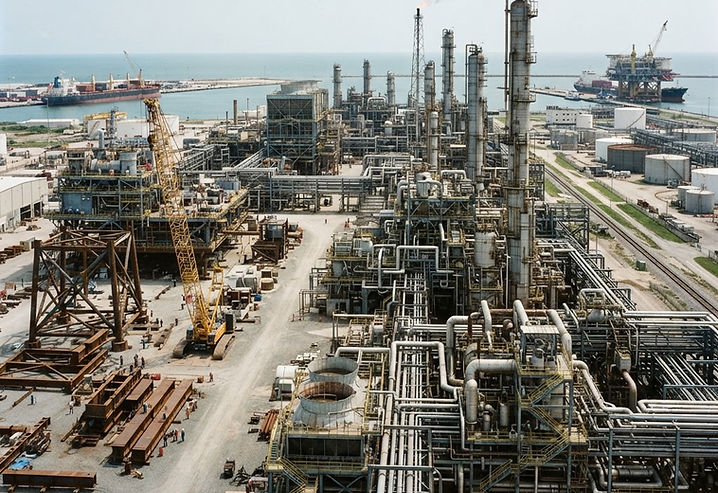
In a connected world, it is natural for lesser oil generating countries to depend on greater oil producing nations to meet their energy requirements, this is the basis of oil imports and exports. However, supply disruptions due to geopolitical events like the 1973 and 1979 energy crises have led to countries exploring means to reduce dependency on other nations for meeting their oil requirements. Since oil is an essential commodity, a prolonged disruption of oil exports is likely to lead to economic recession with greater global consequences. This has led countries like UK to explore options for greater energy independence. But is total energy independence a sensible goal or should there be some level of dependency involved? We will explore this question further in this blog.
Oil imports are most problematic in domestic politics and energy security when they come from countries that are openly hostile to US foreign policy and interests (Iran, Venezuela), are former or potential future rivals ( Russia ) or have questionable human rights practices (Saudi Arabia). In this regard, the United States has looked to tap known or potential domestic oil reserves using mining plant and equipment to increase production. Some of these sources are the Gulf of Mexico, the Arctic Refuge, continental shelf etc. Significant strides have been made as, in 2019, the United States became a net exporter of all oil products, including both refined petroleum products and crude oil. In 2021, the US was the world’s largest producer of crude oil, thus tightening its grip on the oil market. The US has also cut down on its crude oil imports with only 19% of its imported oil coming from the Middle East and the rest coming from Canada, Mexico and other Latin American countries. However, the US is yet to become a leader in producing green energy with Canada exporting $3 billion worth of electricity to the US recently.
Australia is a net energy exporter and energy in Australia was sourced largely from coal and natural gas; however, in recent times renewable energy sources have accounted for 28% of the total energy produced in the country. Oil production in Australia peaked in 2000; however net imports have gone up significantly due to decline of oil producing basins and increase in oil consumption by a growing population. Apart from oil, natural gas, coal and oil shale reserves are other major sources of energy production in the country. Since Australia has multiple major sources of energy, it can be considered majorly energy independent especially as it had made strides in clean energy production.

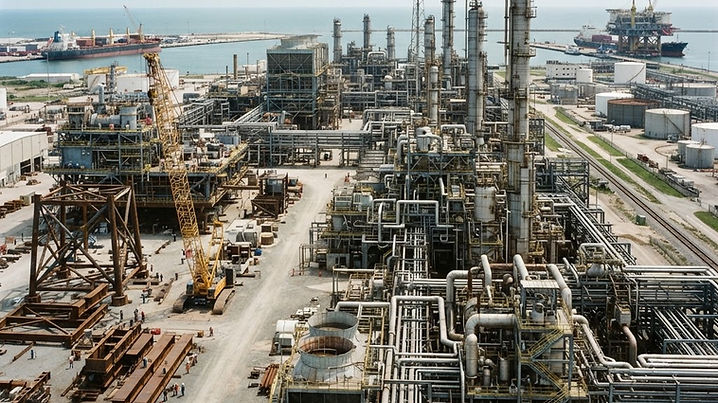
Some of the arguments stated in favour of energy dependence are listed as follows:,
Energy independence will not decrease involvement in VUCA areas, Protection of worldwide energy security upon which the global economy is dependent, will remain a priority for the United States and other developed economies. Although vast oil supplies are located in unstable regions like Iraq, Nigeria etc. which are subject to difficult geopolitics, these geopolitics will continue to be fueled by other large consumers of oil, such as China, whether or not the Western world achieves energy independence.
Renewable energy sources can be extremely inefficient, Alternate energy sources can be expensive, intermittent and can be a source of environmental pollution. Natural gas, nuclear power and biofuels are unreliable sources of energy and depleting the same sources of oil in the quest to achieve energy independence is likely to lead to faster depletion of natural resources. Hence this approach can be considered to be environmentally inefficient.
The underlying reasons behind Western countries’ desire to achieve energy independence can be understood, especially in light of ongoing instability in the Middle East, Africa and Russia, all major oil generating regions. However, the sustainability and future of energy independence needs to be analyzed further as it can impact the environment and lead to further depletion of fuel sources, the result of focusing only on few sources to achieve energy independence. This is a path which needs to be tread carefully, where domestic interests are balanced against larger energy goals!
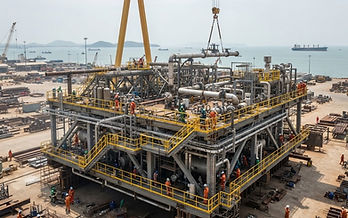
K999 Thailand carries out work of this kind through its pressure vessel fabrication team in Rayong.
Further reading
Follow Infrastructure across the wider market on Project Atlas Intel.
How K999 can help
Process equipment for energy projects
Pressure containment and pipeline work carries the tightest documentation on the shop floor, and the articles here track the codes and market conditions behind that work.
Pressure vessels and tanks- 01
Pressure vessels, steel tanks and pig launchers built to ASME and client specifications.
- 02
Pipe spool fabrication with heat induction bending for long radius and tight radius bends.
- 03
Full traceability from mill certificates through weld maps to hydrotest records.
More on Energy & Oil Gas
All articles


Request for quotation
Need fabricated steel to that standard?
Every enquiry is answered within 48 hours by our estimating team in Rayong. The priced quotation follows once drawings, quantities and standards are confirmed. Stainless steel fabrication, structural steel fabrication, pipe spooling, pressure vessels, steel tanks, mining equipment and conveyors, pig launchers, chutes and hoppers, send the package and we will price it.
Before you request a quotation
Steel fabrication quotation questions
What structural steel fabrication, pressure vessel and pipe spooling packages cost, what to send with an enquiry, and how delivery to site works.
Structural steel fabrication is priced from the section and plate tonnage, the detailing and drawing hours, welding and fitting manhours, NDT requirements, blast and coating system, packing and freight. Grade matters as much as weight: AS/NZS, ASTM, JIS and BS sections carry different mill prices, and heavy built up members take longer than rolled sections. Our Rayong workshop produces around 10,000 tonnes of structural steel fabrication a year, so a clear bill of materials is usually enough to price. Send the drawings and we answer within 48 hours; the priced quotation follows once quantities, standards and delivery dates are confirmed.
For steel fabrication work, send the drawings or IFC package, a bill of materials with material grades, the welding and NDT requirements, the coating specification, the delivery port and your site dates. Add the inspection and test plan, any third party inspection requirement, and whether trial assembly or match marking is needed. Where drawings are still in progress, a scope list with sizes, quantities and duty is enough to start, and the estimate is refined once the final package arrives. Every enquiry is answered within 48 hours, and the priced quotation is issued after scope, standards and quantities are confirmed.
Yes. Pressure vessel fabrication is carried out to ASME Section VIII Div. 1 under our ASME U stamp No. 43,462, or to AS/NZS and BS where the project specifies, covering separators, air receivers, water drums, waste heat recovery units and pig launchers. Steel tanks for fuel, biofuel, chemical, water and food duty are designed in house with our E Tank programme to API, ASME, BS and AS/NZS. Because structural steel, vessels, tanks and their supports are built in the same workshops, one enquiry can cover the vessel package, the tank package and the structural steel that carries them, with a single coating and documentation system and one shipment.
Steel fabrication Australia packages are scheduled from a 33,000 m2 Rayong yard with an 80,000 m2 assembly yard inside Sattahip port, so fabrication, trial assembly, blasting, coating and packing run in one place. Programme length depends on tonnage, material lead times, the coating system and inspection scope, and it is confirmed with the quotation. We quote FOB Laem Chabang, Map Ta Phut or Sattahip, or CIF and DAP to your Australian port, with packing lists, weights, lifting points and a data book per shipment. Staged deliveries can follow your site erection sequence instead of shipping everything at once.
There is no fixed minimum. Pipe spooling Australia packages run at up to 3,000 diameter inches per shift on SCH.40, from a single replacement spool to a full plant piping scope, with spools numbered, X rayed where specified and coated to match erection order. Mining equipment fabrication covers chutes, hoppers, ore bins, transfer towers and conveyor structures with Bisalloy, Hardox, rubber lining or hardfacing fitted in house, from one wear liner set to modules of up to 2,500 tonnes assembled at Sattahip. Send the scope list and we will tell you what the smallest sensible batch is for your programme.