


Industry News
Global Steel Fabrication Shifts as Decarbonization and Capacity Constraints Evolve
Steel fabricators face a dual challenge as major energy projects prioritize specialized modular capacity over local sourcing, while steelmakers navigate a slower, more flexible transition to hydrogen-based production. These trends demand greater agility from engineering contractors and project owners.

The global landscape for industrial steel fabrication is currently defined by two competing pressures. On one side, massive energy infrastructure projects are increasingly reliant on a limited number of global fabrication yards capable of delivering complex, large-scale modules. On the other, the steelmaking industry is recalibrating its decarbonization strategies, moving away from rigid timelines toward more flexible, phased transitions that accommodate the current realities of hydrogen availability and cost. For fabricators and project owners, these developments signal a period where technical capability and supply chain resilience must take precedence over traditional procurement models.
The Reality of Specialized Fabrication Capacity
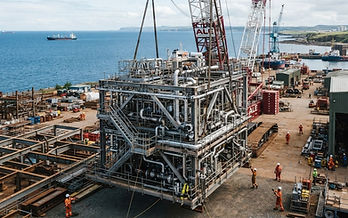
Recent developments in the liquefied natural gas sector highlight a growing divide between project requirements and local fabrication capacity. For major expansions, such as the multi-billion dollar Phase 2 project in Kitimat, British Columbia, developers have confirmed that the scale and complexity of the required modules necessitate the use of specialized offshore yards. This decision is driven by the need for facilities that offer a specific combination of massive physical space, advanced quality control systems, and direct marine access for the transport of oversized components. While local industry groups often advocate for domestic participation, project owners maintain that the technical constraints of modular construction leave little room for alternatives. This trend underscores the importance of early engagement in the design phase, where engineering contractors must determine whether local shops can handle specific scopes or if the project requires the specialized infrastructure found in only a handful of global locations. For those managing complex piping systems, processes like heat induction bending remain critical, and ensuring that these specialized services are integrated into the project schedule early is essential to avoid bottlenecks.
Decarbonization and the Hydrogen Transition
Simultaneously, the steelmaking sector is undergoing a significant shift in its approach to green production. Recent revisions to funding requirements for major European steelmakers reflect a pragmatic adjustment to the global hydrogen market. Initial expectations for a rapid shift to hydrogen-based direct reduction have been tempered by the high cost and limited availability of green hydrogen. Consequently, steelmakers are now adopting more flexible strategies that allow for a gradual increase in hydrogen usage, utilizing natural gas as a bridge to achieve immediate carbon emission reductions. This shift is supported by successful pilot programs, such as those in Japan, which have demonstrated the technical feasibility of producing direct reduction iron using hydrogen, even while acknowledging that full-scale commercial implementation remains a long-term goal. For buyers of fabricated steel, this means that while the supply of low-emission steel is growing, it will likely enter the market in phases rather than through an overnight transformation of the entire supply chain.
Strategic Implications for Project Stakeholders
For engineering contractors and project owners, these shifts necessitate a more nuanced approach to procurement. The reliance on global fabrication hubs for large-scale modules means that logistics and quality assurance must be managed with extreme precision. Buyers should prioritize transparency in their supply chains, ensuring that they understand the technical limitations of their chosen fabricators well before the construction phase begins. Furthermore, as steelmakers adjust their decarbonization roadmaps, project owners should remain informed about the availability of low-emission steel products, as these may become increasingly relevant for meeting future environmental, social, and governance targets. By focusing on early collaboration and maintaining a realistic view of both fabrication capacity and the pace of green steel development, stakeholders can better navigate the complexities of the current industrial environment.
More detail on how we deliver this work is on our heat induction bending page.
How K999 can help
Where we fit the story
Trade policy, commodity cycles and energy markets decide when projects move, and they decide what gets fabricated. These articles collect the changes we track for our clients.
See our projects- 01
Work delivered for mining, energy, processing and manufacturing clients across Australia and Southeast Asia.
- 02
Fabrication in Rayong with assembly at Sattahip, shipping from Laem Chabang and Map Ta Phut.
- 03
Enquiries answered within 48 hours by our estimating team.
More on Industry News
All articles

Request for quotation
Need fabricated steel to that standard?
Every enquiry is answered within 48 hours by our estimating team in Rayong. The priced quotation follows once drawings, quantities and standards are confirmed. Stainless steel fabrication, structural steel fabrication, pipe spooling, pressure vessels, steel tanks, mining equipment and conveyors, pig launchers, chutes and hoppers, send the package and we will price it.