


Industry News
Global Steel Supply Chain Shifts and the Demand for Specialized Fabrication
Major LNG projects are increasingly relying on overseas modular fabrication due to local capacity constraints. Meanwhile, global steel producers are diversifying into critical minerals and energy to navigate geopolitical volatility and shifting industrial demand.

The global landscape for industrial steel is undergoing a period of rapid transformation as of late 2026. Driven by geopolitical tensions, the energy transition, and the sheer scale of modern infrastructure projects, the traditional supply chain for heavy steel is being rewritten. For engineering contractors and project owners, these shifts represent a fundamental change in how they must approach procurement and project scheduling to avoid costly delays.
The Rise of Modular Fabrication in Mega Projects
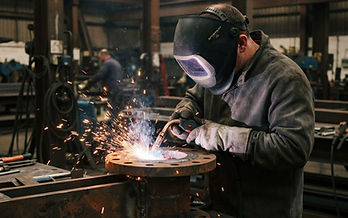
A defining trend in the current market is the reliance on specialized modular fabrication for large-scale energy infrastructure. Recent developments in North America highlight this reality, where major LNG expansion projects have confirmed that they will source significant portions of their modular components from overseas yards. The primary driver is not a preference for foreign steel, but a lack of domestic capacity to handle the specific scale and complexity required for these modules. Because these massive structures cannot be transported by road, they require fabrication facilities with direct access to tidewater. This necessity forces project owners to look beyond local borders, creating a clear divide between standard construction steel and the specialized, high-complexity components that define modern energy projects. For those involved in structural steel fabrication, this underscores the importance of investing in facilities that can handle complex, large-scale assemblies if they wish to compete for major international contracts.
Strategic Diversification and Supply Chain Security
Beyond the immediate needs of construction, the steel industry itself is evolving to mitigate the risks of supply chain fragmentation. Major global steelmakers are no longer focusing solely on crude steel output. Instead, they are adopting strategies that integrate steel production with the supply of critical minerals, such as lithium and rare earths, and expanding their footprint in the energy sector. This shift is a direct response to protectionist policies and the need for industrial security in an era of geopolitical instability. By diversifying their portfolios, these companies aim to insulate themselves from the volatility of the traditional steel market, which has been pressured by sluggish demand and intense competition. Furthermore, the industry is seeing a push toward decarbonization, with new investments in green iron production using hydrogen. These initiatives are not yet at a scale to replace conventional methods, but they signal a long-term commitment to changing how raw materials are sourced and processed.
Implications for Buyers and Contractors
For buyers of fabricated steel, the current environment demands a more proactive approach to procurement. The days of relying on traditional, long-lead procurement models are fading. Project managers are increasingly bypassing standard distributors to secure mill capacity directly during the front-end engineering and design stage. This strategy is essential to prevent downstream bottlenecks caused by inventory shortages or logistics disruptions. Buyers should prioritize early engagement with fabricators who have proven capabilities in complex modular work and who maintain transparent, resilient supply chains. As the industry continues to navigate these changes, the ability to secure reliable, high-quality fabrication capacity will remain a critical competitive advantage for any major industrial project.
How K999 can help
Where we fit the story
Trade policy, commodity cycles and energy markets decide when projects move, and they decide what gets fabricated. These articles collect the changes we track for our clients.
See our projects- 01
Work delivered for mining, energy, processing and manufacturing clients across Australia and Southeast Asia.
- 02
Fabrication in Rayong with assembly at Sattahip, shipping from Laem Chabang and Map Ta Phut.
- 03
Enquiries answered within 48 hours by our estimating team.
More on Industry News
All articles


Request for quotation
Need fabricated steel to that standard?
Every enquiry is answered within 48 hours by our estimating team in Rayong. The priced quotation follows once drawings, quantities and standards are confirmed. Stainless steel fabrication, structural steel fabrication, pipe spooling, pressure vessels, steel tanks, mining equipment and conveyors, pig launchers, chutes and hoppers, send the package and we will price it.