


Energy & Oil Gas
Methane Leaks Spur Calls for Stiffer US Regulation
In recent times, environmentalists have called on the Biden administration to crack down on methane leaks from low producing U.S.
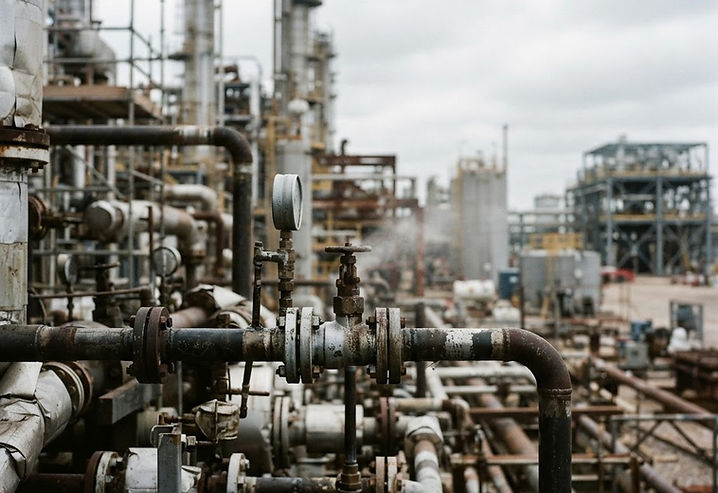
In recent times, environmentalists have called on the Biden administration to crack down on methane leaks from low producing U.S. oil wells, after new research shows they are releasing a disproportionate share of the potent greenhouse gas. As per a study by Nature Communications, such marginal wells are gushing some 4 million metric tons of methane on an annual basis, this is 6 to 12 times higher than the national average. However, low producing oil and gas wells would be largely exempted from regular monitoring requirements the Environmental Protection Agency proposed last year.
The analysis underscores the potential pitfalls of the Biden administration’s plan to target new methane mandates toward bigger wells - and is lead to increasingly strident calls for edits in the final regulation the EPA is set to impose by the end of 2022.
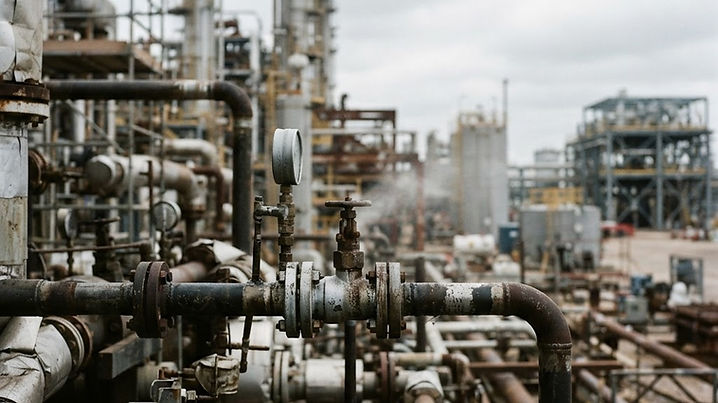
“The science clearly supports stronger EPA standards to reduce the outsized pollution from smaller wells,” said Rosalie Winn, director of methane and clean air policy at the Environmental Defense Fund. “We must ensure rigorous pollution safeguards apply to these low producing, high polluting wells, which make up the vast majority of our oil and gas infrastructure (developed using steel fabrication ).” According to the latest research, wells that produce fewer than 15 barrels of oil equivalent a day are allowing approximately 10% of their gas to leak into the atmosphere. Combined, these marginal wells are responsible for approximately half of the methane emitted from all well sites in the U.S. - even though they represent just 6% of the nation’s oil and gas production, the study says.
Methane, the chief component of natural gas, is responsible for 25% of global warming today. Because it’s such a powerful short lived greenhouse gas, packing most of its punch in the first two decades after being released, reductions now are seen as a critical strategy to restrain near term warming and limit temperature rise to the critical tipping point of 1.5 degrees Celsius (2.7 degrees Fahrenheit). Aside from environmental implications, methane leaks also have financial consequences. Estimated annual emissions from marginal wells are forfeiting some $700 million worth of natural gas and fuel that could be used to power 3.6 million homes, the Environmental Defense Fund said.
Some oil and gas industry officials have encouraged the EPA to focus its attention on larger wells that make up the vast share of U.S. production, arguing the approach would be more cost effective. The Independent Petroleum Association of America said the group’s assessments of emissions from small wells suggest that most of the leaks come from storage tanks and pressure vessels “that can be managed without the expensive leak detection and repair programs demanded by environmental lobbyists.” “Specifically targeting small American producers with expansive new regulations is the wrong approach when prices at the pump are at record highs and the Biden administration is calling on the industry to expand domestic production,” IPAA spokeswoman Jennifer Pett said by email.
Further reading
Follow prequalification openings in the Middle East across the wider market on Project Atlas Intel.
Calculation tool
Run the numbers for this yourself with the free welding engineering articles from Engineering Toolbox Australia. Treat the result as a first check, then confirm the final design with your engineer.
How K999 can help
Process equipment for energy projects
Pressure containment and pipeline work carries the tightest documentation on the shop floor, and the articles here track the codes and market conditions behind that work.
Pressure vessels and tanks- 01
Pressure vessels, steel tanks and pig launchers built to ASME and client specifications.
- 02
Pipe spool fabrication with heat induction bending for long radius and tight radius bends.
- 03
Full traceability from mill certificates through weld maps to hydrotest records.
More on Energy & Oil Gas
All articles


Request for quotation
Need fabricated steel to that standard?
Every enquiry is answered within 48 hours by our estimating team in Rayong. The priced quotation follows once drawings, quantities and standards are confirmed. Stainless steel fabrication, structural steel fabrication, pipe spooling, pressure vessels, steel tanks, mining equipment and conveyors, pig launchers, chutes and hoppers, send the package and we will price it.
Before you request a quotation
Steel fabrication quotation questions
What structural steel fabrication, pressure vessel and pipe spooling packages cost, what to send with an enquiry, and how delivery to site works.
Structural steel fabrication is priced from the section and plate tonnage, the detailing and drawing hours, welding and fitting manhours, NDT requirements, blast and coating system, packing and freight. Grade matters as much as weight: AS/NZS, ASTM, JIS and BS sections carry different mill prices, and heavy built up members take longer than rolled sections. Our Rayong workshop produces around 10,000 tonnes of structural steel fabrication a year, so a clear bill of materials is usually enough to price. Send the drawings and we answer within 48 hours; the priced quotation follows once quantities, standards and delivery dates are confirmed.
For steel fabrication work, send the drawings or IFC package, a bill of materials with material grades, the welding and NDT requirements, the coating specification, the delivery port and your site dates. Add the inspection and test plan, any third party inspection requirement, and whether trial assembly or match marking is needed. Where drawings are still in progress, a scope list with sizes, quantities and duty is enough to start, and the estimate is refined once the final package arrives. Every enquiry is answered within 48 hours, and the priced quotation is issued after scope, standards and quantities are confirmed.
Yes. Pressure vessel fabrication is carried out to ASME Section VIII Div. 1 under our ASME U stamp No. 43,462, or to AS/NZS and BS where the project specifies, covering separators, air receivers, water drums, waste heat recovery units and pig launchers. Steel tanks for fuel, biofuel, chemical, water and food duty are designed in house with our E Tank programme to API, ASME, BS and AS/NZS. Because structural steel, vessels, tanks and their supports are built in the same workshops, one enquiry can cover the vessel package, the tank package and the structural steel that carries them, with a single coating and documentation system and one shipment.
Steel fabrication Australia packages are scheduled from a 33,000 m2 Rayong yard with an 80,000 m2 assembly yard inside Sattahip port, so fabrication, trial assembly, blasting, coating and packing run in one place. Programme length depends on tonnage, material lead times, the coating system and inspection scope, and it is confirmed with the quotation. We quote FOB Laem Chabang, Map Ta Phut or Sattahip, or CIF and DAP to your Australian port, with packing lists, weights, lifting points and a data book per shipment. Staged deliveries can follow your site erection sequence instead of shipping everything at once.
There is no fixed minimum. Pipe spooling Australia packages run at up to 3,000 diameter inches per shift on SCH.40, from a single replacement spool to a full plant piping scope, with spools numbered, X rayed where specified and coated to match erection order. Mining equipment fabrication covers chutes, hoppers, ore bins, transfer towers and conveyor structures with Bisalloy, Hardox, rubber lining or hardfacing fitted in house, from one wear liner set to modules of up to 2,500 tonnes assembled at Sattahip. Send the scope list and we will tell you what the smallest sensible batch is for your programme.